

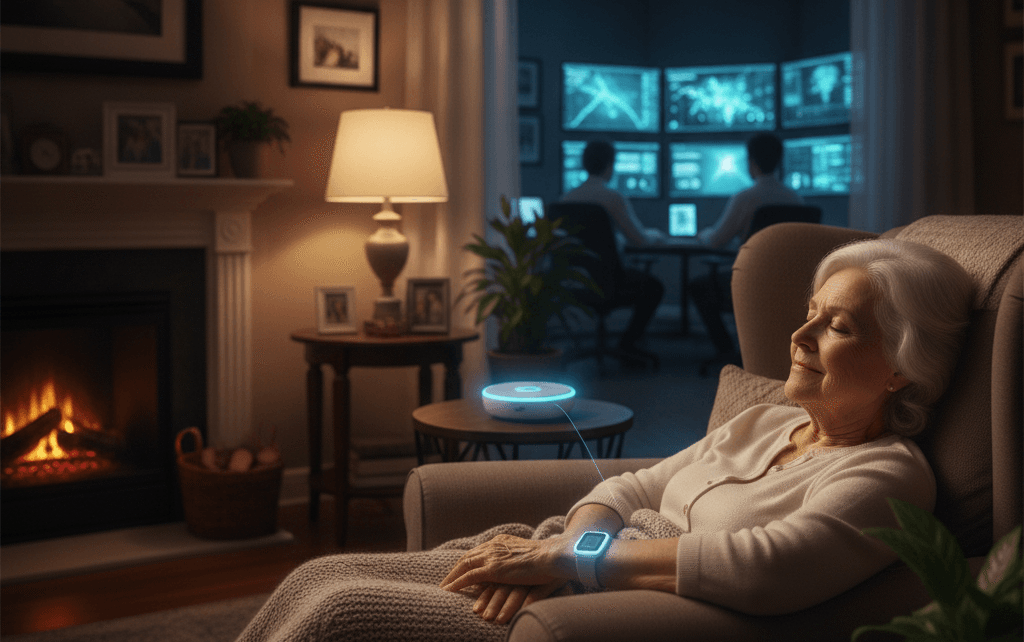
As someone deeply committed to providing helpful information across a wide spectrum of life’s important topics, I often consider the well-being of our senior community. Many of us have aging parents, grandparents, or loved ones who desire independence but also require a certain level of security. Finding that balance between freedom and safety can be a real challenge for families today.
I understand the concerns that arise when older adults live alone. There is a constant underlying worry about falls, medical emergencies, or other unforeseen incidents. That is why the concept of constant protection for seniors with 24/7 monitoring is not just a service, it is a vital necessity in our modern world.
We are talking about peace of mind for both seniors and their families. This kind of protection means having a reliable system in place that watches over them, ready to act instantly when needed. It allows seniors to maintain their dignity and independence, knowing help is always within reach.
Understanding the Need for Constant Protection for Seniors
The golden years should be a time of comfort and enjoyment. But for many seniors, age brings increased vulnerability. Everyday tasks can become hazardous, and a simple slip can lead to serious consequences. I have seen firsthand how quickly situations can change, so a proactive approach to safety is essential.
Aging can lead to various physical changes. Balance issues might develop, vision can decrease, and strength may fade. These factors contribute to a higher risk of accidents, especially in the home. It is important to acknowledge these realities and plan accordingly to support our older loved ones.
Common Risks Seniors Face
One of the most significant dangers for seniors is falling. A fall can cause fractures, head injuries, and a rapid decline in overall health. Many times, if a senior falls and cannot get up, prolonged time on the floor can lead to dehydration, hypothermia, or pressure sores. This makes immediate assistance absolutely critical.
Medical emergencies are also a constant concern. Heart attacks, strokes, or sudden illnesses can strike at any moment. When a senior lives alone, recognizing symptoms and calling for help might be difficult or impossible. We want to ensure that a swift response is possible in these dire situations.
Beyond physical risks, there is also the threat of wandering, especially for those with cognitive impairments. Leaving the home and getting disoriented can expose them to dangerous environments or traffic. Protecting against these diverse risks requires a robust and ever-present safety net.
The Emotional Toll on Families
Caring for an aging loved one can be emotionally draining for families. The worry about their safety can become a heavy burden. Family members often feel torn between their own responsibilities and the need to constantly check on their senior relatives. This can lead to stress and burnout for caregivers.
Having a constant monitoring system in place helps alleviate some of this emotional strain. It means families do not have to rely solely on their own presence or frequent phone calls. They can trust that a professional service is on standby, ready to respond when they cannot.
This reassurance fosters a healthier dynamic within the family. It allows for more quality time together, focused on connection rather than constant anxiety about potential emergencies. Knowing that a senior is protected around the clock provides immense peace of mind for everyone involved.
How 24/7 Monitoring Works to Keep Seniors Safe
Modern monitoring systems go far beyond a simple panic button. They are integrated networks designed to provide comprehensive safety. These systems use advanced technology to detect emergencies and connect seniors to help without delay. I believe this evolution in senior care technology is truly groundbreaking.
The core principle is continuous vigilance. This means that at any hour of the day or night, there is a mechanism in place to identify a problem and trigger a response. It removes the need for constant human supervision while still ensuring safety and well-being.
The simplicity of these systems often surprises people. They are designed to be user-friendly, because seniors need technology that is easy to operate. This focus on ease of use makes them effective in real-world situations, which is what truly matters.
Immediate Response Systems
At the heart of 24/7 monitoring is the immediate response system. When an emergency signal is triggered, whether manually or automatically, it goes directly to a monitoring center. Trained professionals are available instantly to assess the situation and dispatch the appropriate help.
This could mean calling emergency medical services, contacting family members, or even dispatching a local responder. The speed of this response can make a critical difference, especially in medical emergencies or after a fall. Every second counts when someone is in distress.
These centers are staffed by individuals who understand the unique needs of seniors. They are not just answering calls but are actively problem-solving to ensure the best possible outcome. Their expertise provides a layer of security that traditional methods cannot match.
Medical Alert Devices and Beyond
The classic medical alert button is still a cornerstone of many monitoring systems. Seniors wear these buttons as pendants or wristbands, allowing them to summon help with a simple press. This direct line to assistance is incredibly empowering for them.
But the technology has moved beyond just buttons. Modern systems include features like automatic fall detection. These devices use accelerometers to sense a sudden impact and immediately alert the monitoring center, even if the senior cannot press a button. This is a game-changer for many families.
Some systems also offer environmental monitoring. They can detect smoke, carbon monoxide, or extreme temperature changes in the home. This provides an additional layer of protection against hazards that might otherwise go unnoticed. It truly is about holistic safety.
Key Features of Effective Senior Monitoring Systems
When I advise families on choosing a monitoring system, I emphasize looking for certain key features. It is not just about having a device, but about having a system that fits the senior’s lifestyle and specific needs. Customization and reliability are paramount for effective constant protection for seniors with 24/7 monitoring.
Different seniors have different levels of mobility and different health conditions. A robust system should be flexible enough to accommodate these individual differences. The best systems are designed with these diverse requirements in mind, offering a range of options and functionalities.
I also prioritize systems that offer easy installation and ongoing support. Technology should simplify life, not complicate it. A good provider will ensure that the system is set up correctly and that any questions or issues can be addressed quickly and efficiently.
GPS Tracking for Peace of Mind
For seniors who are active and enjoy spending time outside their homes, GPS tracking is a highly valuable feature. It allows family members or caregivers to locate their loved one if they become disoriented or wander off. This is especially useful for those with early-stage dementia or memory challenges.
These devices are often portable, worn as a pendant or integrated into a smartwatch. The tracking is usually discreet, respecting the senior’s independence while still providing a safety net. This means seniors can continue to enjoy their walks or outings without undue worry.
The ability to set geofencing alerts is another great aspect of GPS tracking. This feature allows caregivers to define safe zones. If the senior leaves a designated area, an alert is sent to family or the monitoring center. This proactive warning system can prevent dangerous situations before they escalate.
Fall Detection Technology
As I mentioned, falls are a major concern for older adults. That is why advanced fall detection technology is such an important feature in modern monitoring systems. These devices use sophisticated sensors to differentiate between a normal movement and a sudden, impactful fall.
When a fall is detected, the system automatically alerts the monitoring center. This bypasses the need for the senior to manually press a button, which might be impossible if they are injured or unconscious. This automatic activation can dramatically reduce the time it takes for help to arrive.
I recommend looking for systems with high accuracy in fall detection to minimize false alarms. Reputable providers constantly refine their technology to ensure reliability. This helps build trust in the system for both seniors and their families.
Medication Reminders and Wellness Checks
Staying on track with medication is vital for senior health. Many monitoring systems now offer automated medication reminders. These can be simple alerts from a device or even a call from the monitoring center to ensure the senior takes their medicine as prescribed.
Wellness checks are another beneficial feature. These are routine calls from the monitoring center to simply check in on the senior’s well-being. It provides a human touch point and an opportunity for the senior to report any concerns they might have.
These features help create a holistic support system. They address daily health needs as well as emergency situations. It shows a commitment to not just reacting to problems, but also helping seniors maintain a healthy and structured routine.
Choosing the Right 24/7 Monitoring Service
Selecting the best monitoring service involves careful consideration. I advise families to take their time and evaluate several options. This decision impacts a loved one’s daily life and safety, so it is not one to rush. We want to find a solution that truly fits their unique situation.
It is important to involve the senior in the decision-making process whenever possible. Their comfort level with the technology and the service provider is crucial for successful adoption. Empowering them in this choice can increase their willingness to use the system consistently.
I always suggest asking detailed questions about contracts, hidden fees, and cancellation policies. Transparency from the provider is a sign of a trustworthy service. Understanding all the terms upfront prevents any unpleasant surprises down the road.
Assessing Individual Needs
The first step is to thoroughly assess the senior’s individual needs. Is their mobility limited? Do they have a history of falls? Are there any cognitive impairments that might lead to wandering? The answers to these questions will guide the choice of features.
Consider their living environment as well. Do they live in a large house or a small apartment? Do they spend a lot of time outdoors? These factors will influence whether a home-based system or a mobile GPS-enabled device is more appropriate. A personalized approach is always best.
Think about their personality. Are they tech-savvy or prefer something very simple? Some seniors might embrace smart devices, while others need a straightforward, single-button solution. Matching the technology to their comfort level is key for consistent use.
Comparing Service Providers
Once you understand the needs, it is time to compare different service providers. Look at their reputation and read reviews from other customers. A long history of reliable service is a strong indicator of quality. I recommend choosing providers with proven track records.
Evaluate the responsiveness of their monitoring center. Ask about their average response times and the training of their operators. The quality of the people answering the call is just as important as the technology itself. We need to know that empathetic and capable individuals are on the other end.
Consider the cost structure. Some services have monthly fees, while others might require an upfront equipment purchase. Make sure you understand what is included in the price and if there are any additional charges for specific features or emergency dispatches. Value and transparency are important.
The Benefits of a Proactive Safety Approach for Older Adults
Adopting a proactive safety approach for older adults, particularly through 24/7 monitoring, brings about many significant advantages. It truly revolutionizes how we support our seniors, allowing them to lead more fulfilling lives with reduced risk. I have personally witnessed the positive impact this can have on individuals and their families.
One primary benefit is the significant boost in senior independence. Knowing that help is readily available empowers them to continue living in their own homes, engaging in daily activities without constant fear. This preservation of autonomy is incredibly important for their mental and emotional well-being. It helps prevent feelings of isolation and helplessness, promoting a healthier outlook on aging.
Beyond individual independence, a monitored system provides instant emergency response, which can be life-saving. For instance, in a situation where a fall occurs, the ability to get immediate assistance can prevent secondary injuries or prolonged suffering. This rapid intervention is crucial for better health outcomes. Many studies highlight how 24/7 emergency monitoring benefits seniors by reducing hospital stays and improving recovery rates after incidents.
Families also experience immense peace of mind. The constant worry about a parent or grandparent living alone is substantially lessened when a reliable monitoring service is in place. This allows family caregivers to focus on their own lives and responsibilities, knowing their loved one is protected. It strengthens family bonds by reducing stress and enabling more quality time together, rather than time spent in anxious supervision. This relief is truly invaluable for everyone involved.
Furthermore, these systems offer a sense of security that extends beyond emergencies. Features like medication reminders help seniors manage their health routines effectively. Environmental monitoring for smoke or carbon monoxide adds another layer of protection, making their living spaces safer. This comprehensive care model supports overall well-being and longevity, which is something we all want for our aging loved ones.
Conclusion: Ensuring Constant Protection for Our Beloved Seniors
I have discussed the immense value and practical applications of constant protection for seniors with 24/7 monitoring. This is not just about installing a device, it is about creating a comprehensive safety net that respects independence while providing unparalleled security. We all want our seniors to live their lives to the fullest, and this technology helps make that possible. It addresses the real fears of aging, offering solutions that empower rather than restrict.
From fall detection and GPS tracking to immediate emergency response and daily wellness checks, modern monitoring systems provide a tailored approach to senior safety. They free families from constant worry and give seniors the confidence to live independently in their homes. I truly believe that investing in such a system is an investment in quality of life, for both the older adult and their family. It is a decision that brings tangible benefits and a deep sense of calm.
So, I urge you to consider the options available today for your loved ones. Explore the features, compare the providers, and choose a system that offers the constant protection our seniors deserve. Let us embrace these advancements to ensure our older family members can enjoy safety, dignity, and peace of mind every single day. Take action now to find the right solution and provide that essential layer of care.


