

Safety is something we all value deeply in our lives. We want our homes to be safe places for our families and our workplaces to be secure environments for everyone. This is where inspection safety standards come into play. They are the frameworks and guidelines that help us ensure everything is up to par, minimizing risks and preventing accidents.
I have spent years observing how critical these standards are across different industries. They are not just bureaucratic hurdles. Instead, they represent a collective wisdom on how to build, maintain, and operate things safely. Understanding these standards is the first step toward creating a truly secure setting.
In this article, I will explain what inspection safety standards are, why they are so important, and how they apply in real-world situations. We will look at various types of inspections and what you can do to uphold these crucial benchmarks for safety.
Understanding the Basics of Inspection Safety Standards
Inspection safety standards are essentially a set of rules and specifications designed to protect people and property from harm. They cover a vast array of areas, from the structural integrity of buildings to the functionality of electrical systems and the proper handling of hazardous materials. I see these standards as our collective agreement on what is considered acceptable risk and how to manage it.
These standards are often developed by governmental agencies, industry associations, or international organizations. Their purpose is to provide clear, consistent guidelines that can be applied universally. This consistency helps ensure that a product or system meets the same safety criteria no matter where it is used or installed. For example, a fire extinguisher needs to meet certain performance standards whether it is in a home or a large office building.
Following these standards is not optional for many businesses and even homeowners. Non-compliance can lead to serious consequences. These consequences include fines, legal liabilities, and most importantly, an increased risk of accidents or injuries. I believe that ignoring safety standards is a gamble no one should take because the stakes are always very high.
The Role of Compliance in Safety
Compliance means actively adhering to all established safety standards. This goes beyond simply passing an inspection. It involves integrating safety protocols into daily operations and decision-making. When a business or individual truly commits to compliance, they foster a culture where safety is a core value.
I have seen how a strong compliance culture can make a real difference. It means regular training for employees. It also means consistent maintenance schedules for equipment. And it involves a continuous review of safety procedures to identify and address potential weaknesses. This proactive approach saves lives and protects investments over time.
Key Regulatory Bodies and Their Roles in Safety Inspections
Various organizations are responsible for creating and enforcing inspection safety standards. These bodies ensure that specific industries and sectors maintain a high level of safety. Their work is fundamental to public protection and industry integrity. I often explain to people that these groups act as the guardians of safety in our society.
In the United States, we have several prominent agencies. The Occupational Safety and Health Administration or OSHA sets and enforces standards for workplace safety and health. Their regulations cover everything from fall protection in construction to chemical exposure limits. The Consumer Product Safety Commission or CPSC works to protect the public from unreasonable risks of injury or death associated with consumer products. They regulate product design and manufacturing to ensure items are safe for use.
Another important player is the National Fire Protection Association or NFPA. This organization develops fire codes and standards that are widely adopted by local governments. Their guidelines cover fire prevention, electrical safety, and building construction requirements. These entities work to create a safety net for everyone.
International Standards and Their Impact
Safety standards are not confined to national borders. International organizations like the International Organization for Standardization or ISO create global benchmarks. ISO standards often serve as a foundation for national regulations around the world. I find this global cooperation amazing because it helps ensure a baseline of safety across diverse economies and cultures.
The adoption of international standards can streamline trade and encourage innovation while maintaining safety. It means that a product manufactured in one country can potentially meet the safety expectations of another, reducing barriers and promoting best practices worldwide. This interconnectedness is crucial in our modern world.
Common Types of Inspections and Their Standards
Inspections are not a one-size-fits-all process. They vary greatly depending on what is being inspected and the industry involved. Understanding these different types helps us appreciate the depth and breadth of safety standards. I have been involved in many kinds of inspections, and each has its unique focus.
For instance, in residential settings, we commonly encounter home inspections during a property sale. These look at the home’s structure, roof, foundation, electrical systems, plumbing, and HVAC. The goal is to identify any existing defects or potential safety hazards. We want to give buyers a clear picture of the property’s condition.
Then there are building code inspections. These happen during construction or renovation projects. They verify that the work meets local building codes and safety regulations. Inspectors check everything from framing and wiring to insulation and accessibility. This ensures the building is safe for its future occupants.
Workplace Safety Inspections
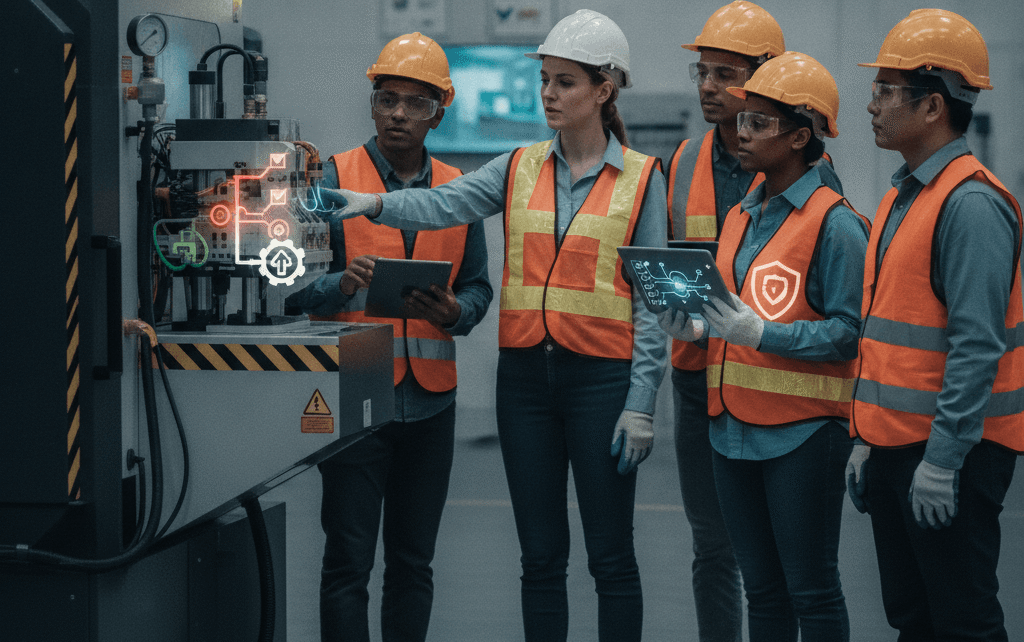
Workplace safety inspections are a different beast entirely. They focus on identifying hazards specific to an occupational environment. This can include machinery safety, ergonomic concerns, chemical storage, emergency preparedness, and proper personal protective equipment usage. OSHA conducts many of these inspections. Their presence helps ensure employers are providing a safe work environment for their staff.
For specialized industries like food processing or healthcare, inspections become even more focused. Food safety inspections check for sanitation, proper handling procedures, and storage conditions to prevent contamination. Healthcare facility inspections review everything from patient care protocols to medical equipment calibration. Each type is essential for its specific domain.
The Importance of Regular Inspections for Home and Business Safety
Regular inspections are not just about meeting legal requirements. They are a proactive measure that safeguards lives, assets, and reputations. I always emphasize that waiting for a problem to appear is a reactive and often costly approach to safety. Prevention is always better.
In a home, an unnoticed electrical issue can lead to a fire. A small leak can cause extensive water damage and mold growth. Regular checks can catch these issues before they escalate. It means checking your smoke detectors and carbon monoxide alarms. It also means looking at your appliances for wear and tear.
For businesses, the stakes are even higher. A workplace accident can result in severe injuries, lawsuits, and significant operational disruptions. Regular safety audits help identify hazards, ensure equipment is functioning correctly, and verify that employees are following safety protocols. This commitment to ongoing inspection builds trust with employees and customers.
There is also a financial benefit to regular inspections. Addressing small problems early is almost always cheaper than dealing with a major catastrophe later. For example, a minor roof repair caught early costs much less than replacing an entire roof after a collapse. So safety inspections contribute to sound financial management.
What to Expect During a Professional Safety Inspection
If you are anticipating a professional safety inspection, knowing what to expect can ease any apprehension. I find that transparency throughout the process benefits everyone. A typical inspection follows a structured approach, designed to be thorough and objective.
First, the inspector will usually perform an initial walkthrough. This helps them get an overview of the property or facility. They will often ask questions about its history, any known issues, or specific concerns you might have. This preliminary discussion is important for setting the scope of the inspection.
Next, the detailed examination begins. The inspector will systematically check various components based on the relevant safety standards. This could involve looking at electrical panels, plumbing fixtures, structural elements, emergency exits, fire suppression systems, or machinery. They will use specialized tools if needed, such as moisture meters for detecting hidden leaks or thermal cameras for electrical hot spots. I have seen many situations where these tools uncover problems invisible to the naked eye.
Post-Inspection Reporting and Recommendations
After the physical inspection, the inspector will compile a detailed report. This report will outline their findings, noting any deficiencies or safety hazards. It usually includes photos and descriptions to clearly illustrate the issues. The report also provides recommendations for corrective actions.
I always tell clients to review this report carefully. It is your guide to improving safety. Sometimes, the recommendations might suggest immediate repairs. Other times, they might be long-term maintenance suggestions. Always ask questions if something is unclear. Understanding the report is crucial for taking appropriate steps.
Tips for Maintaining Safety Standards Between Inspections
Professional inspections are vital, but safety is an ongoing commitment. What you do between formal inspections truly counts. I have a few practical tips I share with homeowners and business owners to help them stay on top of safety. Being proactive can prevent many common issues.
One key tip is to perform your own regular, albeit less formal, checks. This could mean a monthly walk-through of your home. You can look for leaky pipes, frayed electrical cords, or loose railings. In a business setting, this might involve daily equipment checks or weekly safety walkthroughs by supervisors. It helps catch small problems before they grow.
Another strategy involves keeping detailed records of maintenance and repairs. If you have a plumber fix a leaking faucet, document it. If an HVAC technician services your furnace, keep the invoice. These records prove your diligence and provide a history that can be valuable for future inspections or if an issue reoccurs.
For your home, it is a good idea to understand things like the 1-3-5 rule for your home. This kind of guideline provides an easy framework for identifying potential problems quickly, ensuring you address issues before they become emergencies. It is about simple, consistent vigilance.
Training and Awareness Programs
For businesses, implementing continuous training and awareness programs is extremely important. Regular safety briefings, workshops, and even simple posters can keep safety top of mind for employees. This helps them identify hazards and understand proper procedures. An informed workforce is a safer workforce.
I believe in empowering individuals with the knowledge to protect themselves and those around them. This might include training on how to use a fire extinguisher. It could also involve understanding evacuation routes. Or it could be recognizing the signs of electrical overload. These small pieces of knowledge add up to a much safer environment.
Navigating Local and National Inspection Requirements
Dealing with inspection requirements can feel complicated because they often vary by location and jurisdiction. What is mandatory in one city might be different in another, even within the same state. I always advise people to start by understanding the specific regulations that apply to their area.
Local building departments and fire departments are excellent resources for homeowners and small businesses. They can provide information on local codes, necessary permits, and inspection schedules. National agencies, like OSHA for workplaces or the Department of Transportation for certain vehicles, set broader standards that must also be followed.
It is also worth noting that requirements can change over time. New technologies emerge, and incidents lead to updates in safety protocols. Staying informed about these changes is a part of responsible ownership and operation. Subscribing to relevant industry newsletters or checking official government websites regularly can help.
Seeking Expert Guidance When Needed
Sometimes, the complexity of regulations calls for expert assistance. I encourage seeking advice from qualified professionals. This could be a certified home inspector for residential matters. Or it could be a safety consultant for a business. These experts can help interpret codes, identify compliance gaps, and guide you through the inspection process. Their knowledge can save you time and prevent costly mistakes.
I have seen many situations where a small investment in expert advice prevents much larger problems down the line. It is about being smart and using the resources available to you. Do not hesitate to ask for help if you are unsure about any safety standard or inspection requirement.
The Human Element in Inspection Safety
While standards and regulations are critical, I also believe the human element is at the heart of effective inspection safety. It is people who design the systems. It is people who perform the inspections. And it is people whose lives are protected by these efforts. Our individual attitudes toward safety play a huge role.
For inspectors, qualities like thoroughness, integrity, and a keen eye for detail are irreplaceable. They need to be objective and fair while also having a deep understanding of the standards they are enforcing. I have known many inspectors who see their job as a mission to protect rather than just a checklist to complete.
For homeowners and business owners, it means taking ownership of safety. It is not just about avoiding penalties. It is about a genuine commitment to the well-being of others. When we approach safety with this mindset, standards become living principles rather than just rules on paper.
Empowering employees and family members to speak up about safety concerns is another aspect of the human element. Creating an environment where people feel comfortable reporting hazards without fear of retribution is essential. This open communication is a powerful tool for maintaining and improving safety over time.
Ensuring a Safer Tomorrow with Inspection Standards
Understanding and applying inspection safety standards is a cornerstone of responsible living and operating. I have explained how these standards are much more than mere guidelines. They are vital frameworks that protect us all, from the individual homeowner ensuring their family’s safety to large corporations safeguarding their workforce and the public. We explored the essential roles of regulatory bodies like OSHA and NFPA, whose efforts build the foundation for a safer society. We also looked at the many different types of inspections, each tailored to specific needs, highlighting that safety requires a focused approach.
I want to reiterate that consistent vigilance and proactive measures are key. Regular checks, diligent record-keeping, and continuous education are all part of maintaining safety between formal inspections. My experience tells me that a true commitment to safety is a continuous process, not a one-time event. It involves understanding local and national requirements and seeking expert help when the details become complex. Most importantly, it relies on each of us embracing our role in creating safer environments. Prioritizing safety through robust inspection standards helps everyone. It leads to fewer accidents, greater peace of mind, and a better quality of life for all. Let us all commit to upholding these important standards every day.


